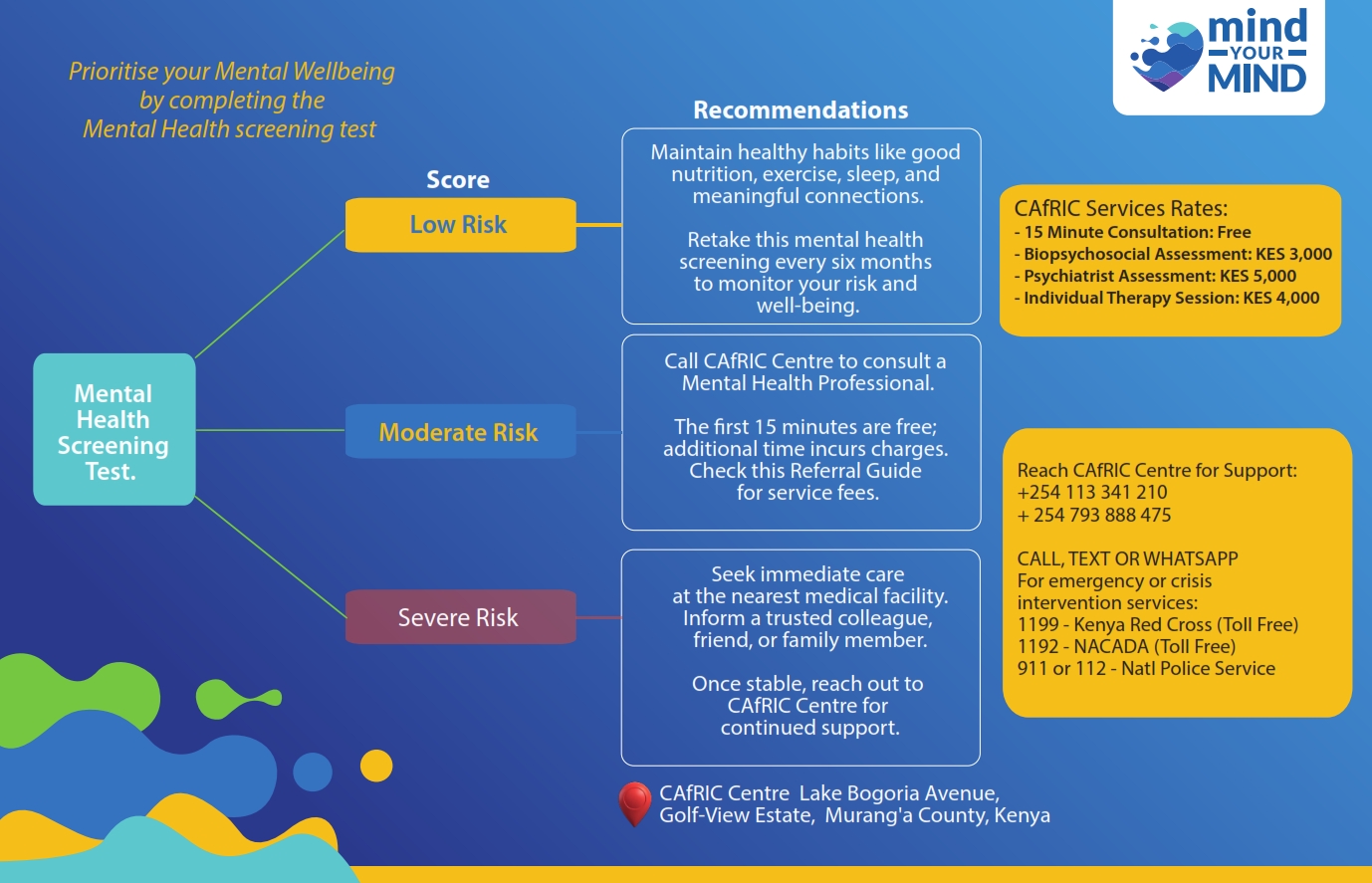

Whether you’re on the factory floor, working in logistics, or managing a team, this hub provides tools and insights to help you maintain mental wellness, recognize when help is needed, and access support. Here, you’ll find practical tools, information, and guidance tailored to help you navigate mental health challenges.

“Develop healthier routines, and seek appropriate support when needed.”

Mental health disorders are conditions that affect how we think, feel, and act. They’re common and can affect anyone, no matter your role at work. They can range from anxiety and depression to more complex conditions like bipolar disorder and schizophrenia.

Common Mental Health Disorders
• Anxiety Disorders: Persistent worry or fear about everyday situations.
• Depression: Feeling sad or hopeless for an extended period, and/or losing interest in activities.
• Post-Traumatic Stress Disorder (PTSD): Ongoing stress following a traumatic event such as experiencing or witnessing a motor vehicle accident, or physical or sexual assault.
• Substance Use Disorders: Overdependence on alcohol or drugs to cope with stress or emotions.

In high-pressure environments, like meeting production deadlines or handling cross-border logistics, stress can escalate into anxiety or depression.

For Example:
•A factory worker who finds it hard to focus and makes repeated errors might be struggling with anxiety caused by personal or financial stress.
•A supervisor who feels overwhelmed, irritable, and disconnected from their team may be experiencing burnout or depression.

Important to note:
Mental health challenges are not a sign of weakness; they’re part of being human. Understanding the signs and recognizing them early allows you to get the support you need.

Signs to Watch Out For:
• Feeling persistently tired or unmotivated.
• Struggling to concentrate or complete tasks at work.
• Physical symptoms like headaches or stomach issues without a clear medical cause.
• Feeling hopeless, helpless, irritable, or disconnected from colleagues and family.

Examples of Symptoms That a Worker May Experience Include:

• Difficulty staying focused on tasks (e.g., missing steps in production processes).
• Feeling tired or lacking energy even after adequate rest.
• Increased conflicts with colleagues or avoiding social interactions.

Examples of Symptoms That a Manager May Experience Include:

• Constantly feeling stressed or overwhelmed by responsibilities.
• Losing patience or becoming easily irritated by small issues.
• Difficulty making decisions or solving workplace problems.

• A forklift operator starts arriving late or calling in sick frequently. They might be dealing with depression or stress from challenges at home.
• A supervisor starts micromanaging their team excessively or avoids delegating. This might indicate anxiety or loss of confidence.

If you or someone you know is showing these signs, reach out for help early. Speak to someone you trust. It’s better to address small problems before they grow.

Some Self-Care Strategies include healthy routines, mindfulness and stress management. The following are self-care activities.

• Practice regular breaks: Taking a short walk or stretching between shifts can refresh your mind.
• Eat well: Balanced meals improve focus and energy levels. Avoid relying on sugary snacks or energy drinks.
• Get Enough Sleep: Establish a sleep schedule that ensures you are getting a minimum or 6-8 hours of sleep at night. To promote sleep, avoid naps after 4PM, turn off screens an hour before bedtime, and avoid caffeinated drinks after 6PM.
• Talk to someone: Share your challenges with a trusted colleague, friend of family member, or supervisor.
• Support Groups: Join a group of peers facing similar challenges or a social group of people with similar interests or hobbies such as farming, hiking, playing sports, singing in a choir or engaging in charitable activities.

• Therapy/Counseling: If you are struggling to cope, reach out to speak to a trained therapist online or offline through CAfRIC.
• Medication: Some mental health conditions may require medications to stabilize either on short-term or long-term basis. If indicated and prescribed, follow the recommendations of a licensed doctor.
• Substance Use: If you are using alcohol or drugs to cope with stress or emotional pain, you may be at risk for developing substance dependence. You may require professional help to stop drinking and establish healthier coping mechanisms.
Note: If you have been drinking daily for more than two weeks, or you have experienced withdrawal symptoms in the past, DO NOT STOP DRINKING without medical support.
You can access professional counselling through CAfRIC whether you are in Kenya or in any other country or by visiting a trusted mental health facility in your area. Refer to the Referral Guide for CAfRIC’s contact information.

• A forklift operator starts arriving late or calling in sick frequently. They might be dealing with depression or stress from challenges at home.
• A supervisor starts micromanaging their team excessively or avoids delegating. This might indicate anxiety or loss of confidence.

If you or someone you know is showing these signs, reach out for help early. Speak to someone you trust. It’s better to address small problems before they grow.

Good habits improve not just your mental health but also your productivity and teamwork.

Simple lifestyle changes can improve your mood, energy, and productivity.
Key Healthy Habits to Incorporate:

Physical Activity: Walk, exercise, or engage in sports for 30 minutes daily.
• Healthy Diet: Reduce sugar and caffeine and prioritize vegetables, fruits, and proteins.
• Sleep Hygiene: Aim for 7-8 hours of sleep a night to recharge effectively.
• Stress Management: Practice relaxation techniques like deep breathing or meditation.


• Start each day with a 5-minute-deep breathing exercise to reduce stress. Below is a good video for guided deep breathing and mindfulness.

Practice Paying Attention to Your Feelings. Below is a good video to guide you

When You are Feeling Overwhelmed, the following is a good video to watch:

After long hours of repetitive work, stretch or walk for 5 minutes to release tension.

For Supervisors:
• Schedule regular check-ins with your team to share concerns and ideas.

• Lead by example: Show that taking care of mental health is important by practicing self-care yourself.

As a team you can start a lunch-hour walking group; play a board game like Njenga, or another fun activity that involves everyone’s participation. This not only improves your physical health but also reduces workplace conflicts as the team feels more connected.

Is there any other healthy activity you can do as a team during lunch break to help you connect?

Money matters—whether we like it or not, financial stability plays a huge role in our overall well-being. Stressing over bills, unexpected expenses, or future security can take a toll on your mental health, affecting focus, productivity, and even personal relationships.

At Safal Group, we understand that financial wellness is more than just earning a paycheck, it’s about feeling confident and in control of your financial future. That’s why we’re here to provide you with practical tools, expert insights, and valuable resources to help you manage your money wisely, plan for tomorrow, and reduce financial stress.

When you take charge of your finances, you take charge of your peace of mind. Let’s work together to build financial habits that support both your wallet and your well-being.

Is there any other healthy activity you can do as a team during lunch break to help you connect?

Click HERE for the Masterclass

Master your money, secure your future

Lincoln notes Financial Wellness Webinar

Personal Financial Planning

Sanlam Financial Planning – Safal Group

Stanchart Financial Wellness PPT – Safal Group-July 2020
Stanchart Financial Wellness

Stanchart & Sanlam Financial Wellness Webinar

The Journey to Retirement – Safal Group Webinar Liberty

icon

SELF-CARE

Through our mental health awareness initiatives, we emphasize the importance of incorporating practical self-care

Learn More

icon

RESILIENCE

Through a comprehensive approach, the organization provides tools, resources, and support networks

Learn More

icon

SUPPORT

This initiative is designed to foster a sense of community, empathy, and understanding across all levels of the organization.

Learn More

icon

NORMALISE

By normalizing discussions surrounding mental well-being, we aim to foster an environment where employees feel

Learn More